The Encyclopedia of Crystals, Herbs, and New Age Elements: An A to Z Guide to New Age Elements and How to Use Them - Adams Media 2016
Mint
The Power of Scent: Essential Oils
ORIGINS
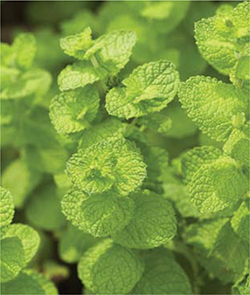
Mint essential oil comes from the leaves of plants of the genus Mentha, including peppermint (Mentha piperita), spearmint (Mentha spicata), and bergamot mint (Mentha citrata). Most will recognize the fresh, sharp aroma of this essential oil as that of chewing gum, toothpaste, liniments for sore muscles, and other common products.
HISTORY/LORE
The word mint comes from the Greek minthe, which is also the name of a nymph in Greek mythology. According to the story, Mentha angered Persephone, who turned her into a pungent plant as punishment. Native to Europe, Asia, and Australia, mint plants are cultivated in temperate regions worldwide.
USES
Healing Uses: Mint essential oil contains menthol, a natural compound that acts as a topical anesthetic. Rub on sore muscles to cool and soothe the area, or on the abdomen to relieve intestinal discomfort. This oil eases nausea, calms stomach cramps, and supports digestion. It also alleviates stress and conditions resulting from stress, such as headaches and insomnia.
Personal/Spiritual Growth: This essential oil refreshes and revives the spirit, eliminating fatigue and boosting energy. Peppermint oil supports awareness and replaces negativity with positivity. Spearmint oil cools heated emotions and brings inner peace and calm. Bergamot mint oil inspires spontaneity. Add any of these to bathwater for emotional balance.