The Encyclopedia of Crystals, Herbs, and New Age Elements: An A to Z Guide to New Age Elements and How to Use Them - Adams Media 2016
Rosemary
The Power of Herbs: Herbs and Spices
ORIGINS
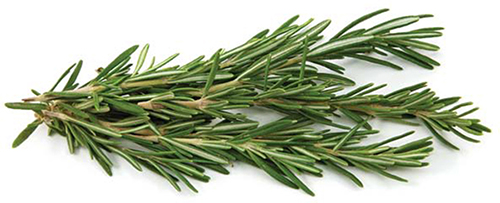
Native to the Mediterranean region, rosemary (Rosmarinus officinalis) is an aromatic evergreen shrub in the mint family with light bluish-purple flowers and grayish-green, needle-like leaves. The leaves and oil are used for both culinary and medicinal purposes.
HISTORY/LORE
Rosemary has long been associated with immortality, memory, and fidelity. The ancient Egyptians used rosemary in their embalming practices. The ancient Greeks and Romans placed rosemary sprigs in the hands of the dead and burned the herb as incense at funerals. Greek students wore rosemary sprigs in their hair to boost their memories. Rosemary was also incorporated into marriage and baptism ceremonies.
USES
Healing Uses: Rosemary stimulates and strengthens the circulatory and nervous systems, and is used to treat anemia and low blood pressure. Used in a warm poultice, rosemary soothes sore muscles and joint pain. As a salve, rosemary soothes headaches, muscle aches, and swollen feet. Rosemary tea aids digestion. This herb can also be used as a natural insect repellent.
Magical Uses: Rosemary attracts faeries and positive energy and can be used in fidelity spells. Add rosemary to bathwater to improve memory. Burn rosemary during meditation or dream work to remember past lives. Placing rosemary under the pillow assists with dream recall and banishes nightmares and unwanted dream visitations. Rosemary can also be used in purification and cleansing rituals.
Personal/Spiritual Growth: Rosemary is a stimulating, purifying herb. Its memory-boosting properties make it a favorite among students and those whose work requires memorization. Burn rosemary as incense for peace of mind or to cleanse the spirit. For information on the use of rosemary essential oil in aromatherapy, see the rosemary entry in Chapter 4.